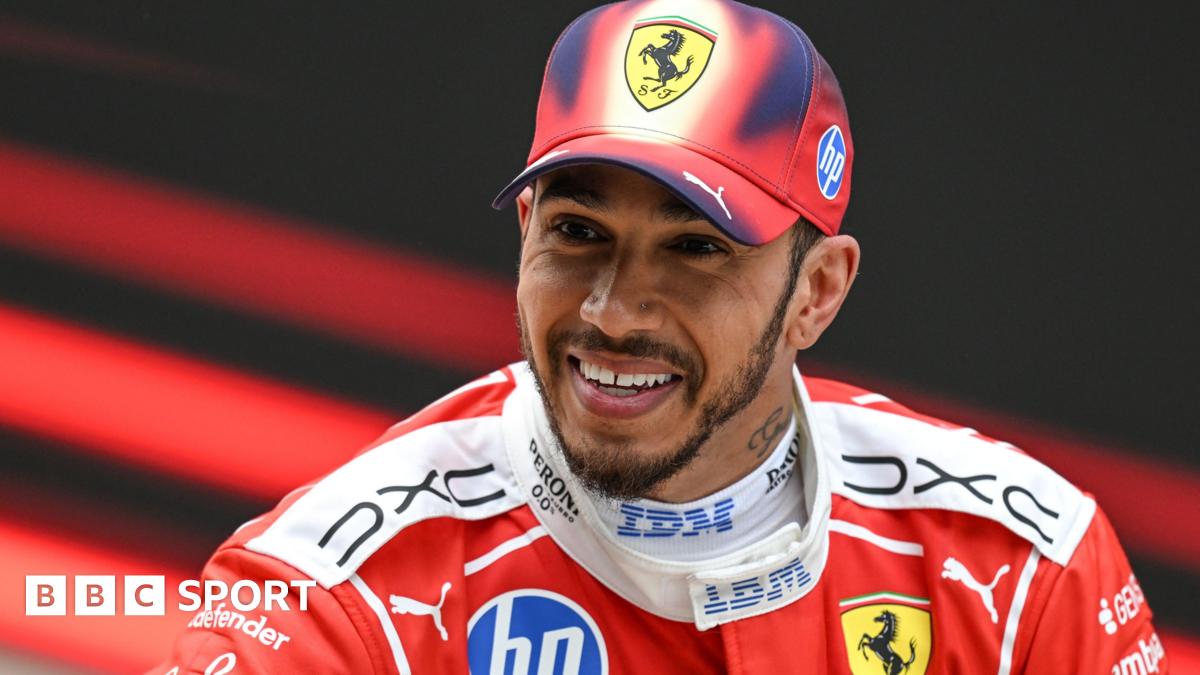
In the latest discussions surrounding Formula 1, Lewis Hamilton has been drawing comparisons to his earlier dominant performances, with some commentators describing his recent form as reminiscent of the 'Hamilton of old.' This resurgence has sparked excitement among fans and analysts alike, who see it as a sign that Hamilton is regaining his competitive edge.
Meanwhile, the sport is on the cusp of implementing several potential rule changes aimed at improving safety, competitiveness, and sustainability. These modifications could include adjustments to car aerodynamics, tire regulations, and race procedures. The F1 community is closely watching how these changes will influence team strategies and race outcomes in the upcoming seasons.
Another significant aspect of the current F1 landscape is the upcoming month-long break, which many believe could benefit teams like McLaren and Red Bull. During this period, teams have the opportunity to analyze data, upgrade their vehicles, and refine their strategies. Experts suggest that this break might provide an advantage to teams with more resources and better development programs, potentially shifting the competitive balance.
Andrew Benson, F1 correspondent for BBC Sport, provides insights into these topics, emphasizing that the sport's evolving regulations and strategic pauses could lead to a more unpredictable and exciting championship. As the season progresses, fans and teams alike will be eager to see how these factors play out on the track, shaping the future of Formula 1 racing.
Overall, the combination of Hamilton's resurgence, impending rule changes, and strategic advantages gained during the break signals a dynamic and unpredictable phase for Formula 1. Stakeholders are optimistic that these developments will enhance the sport's appeal and competitiveness in the seasons to come.